








Boating in cooler weather can be just as enjoyable as the warmer months, but winter brings a different set of conditions—and a few extra steps every boater should follow. At Thunder Marine, we help boaters stay safe and confident year-round, and knowing the right winter boating rules makes all the difference when the temperatures drop.
Here are the key winter boating rules every boater should follow before heading out for a cold-weather cruise or fishing trip.
1. Always Check the Weather Before You Leave
Winter fronts can move quickly, creating breezy conditions or sudden temperature drops.
Look for wind shifts, pressure changes, and potential storms
Avoid heading out before or during a strong cold front
Use NOAA marine forecasts and radar apps for real-time updates
2. Dress for Cooler Mornings and Breezy Afternoons
Winter boating still requires planning, but the goal is staying comfortable—not dealing with freezing temperatures.
Bring a lightweight jacket or windbreaker for early runs
Pack a dry layer in case of spray
Wear moisture-wicking shirts that transition easily into warmer afternoons
Keep a bimini top or wind-blocking enclosure in mind on breezy days
3. Keep Safety Gear Updated and Accessible
Cold weather makes safety equipment even more important.
Carry working life jackets for everyone on board
Test your VHF radio before leaving the dock
Check fire extinguishers, flares, and navigation lights
Bring a fully charged phone or backup power bank
4. Prepare Your Boat for Cold Conditions
Your boat must be ready for colder temperatures, even in a mild-winter region.
Inspect batteries and electrical systems
Check fuel levels—running low in winter is risky
Ensure bilge pumps are working properly
Use marine-grade antifreeze where necessary (livewells, washdowns, etc.)
5. Slow Down and Watch for Fog
Winter mornings often bring lower visibility.
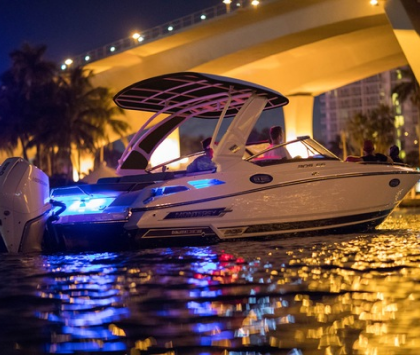
Use your navigation lights early
Rely on GPS and chartplotters if visibility drops
Reduce your speed to maintain a safe reaction time
6. Know the Water Temperature
Even when the air is mild, cold water can be dangerous.
Understand the risk of cold-water shock
Avoid entering the water unless necessary
Wear a life jacket at all times in winter conditions
7. Plan Shorter Trips and Tell Someone Your Route
Winter boating is safest when others know your plan.
Share your route and expected return time
Stick to familiar channels and marked areas
Avoid long offshore runs unless conditions are perfect
8. Keep Your Fuel Fresh and Tanks Full
Cold temperatures can affect older fuel.
Top off before every trip
Use marine-grade fuel stabilizer when needed
Keep water separators clean and checked regularly
9. Use Navigation Lights Longer Than Usual
Winter days are shorter, and dusk comes fast.
Turn on navigation lights earlier in the day
Ensure bulbs and wiring are functioning
Keep a spare bulb kit and flashlight onboard
10. Choose a Boat Designed for Cooler Weather
Some boats handle winter boating better than others.
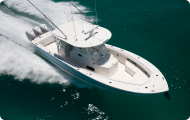
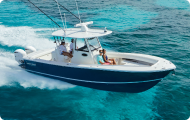
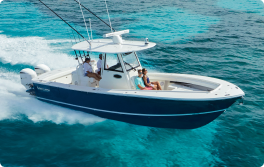
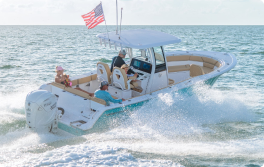
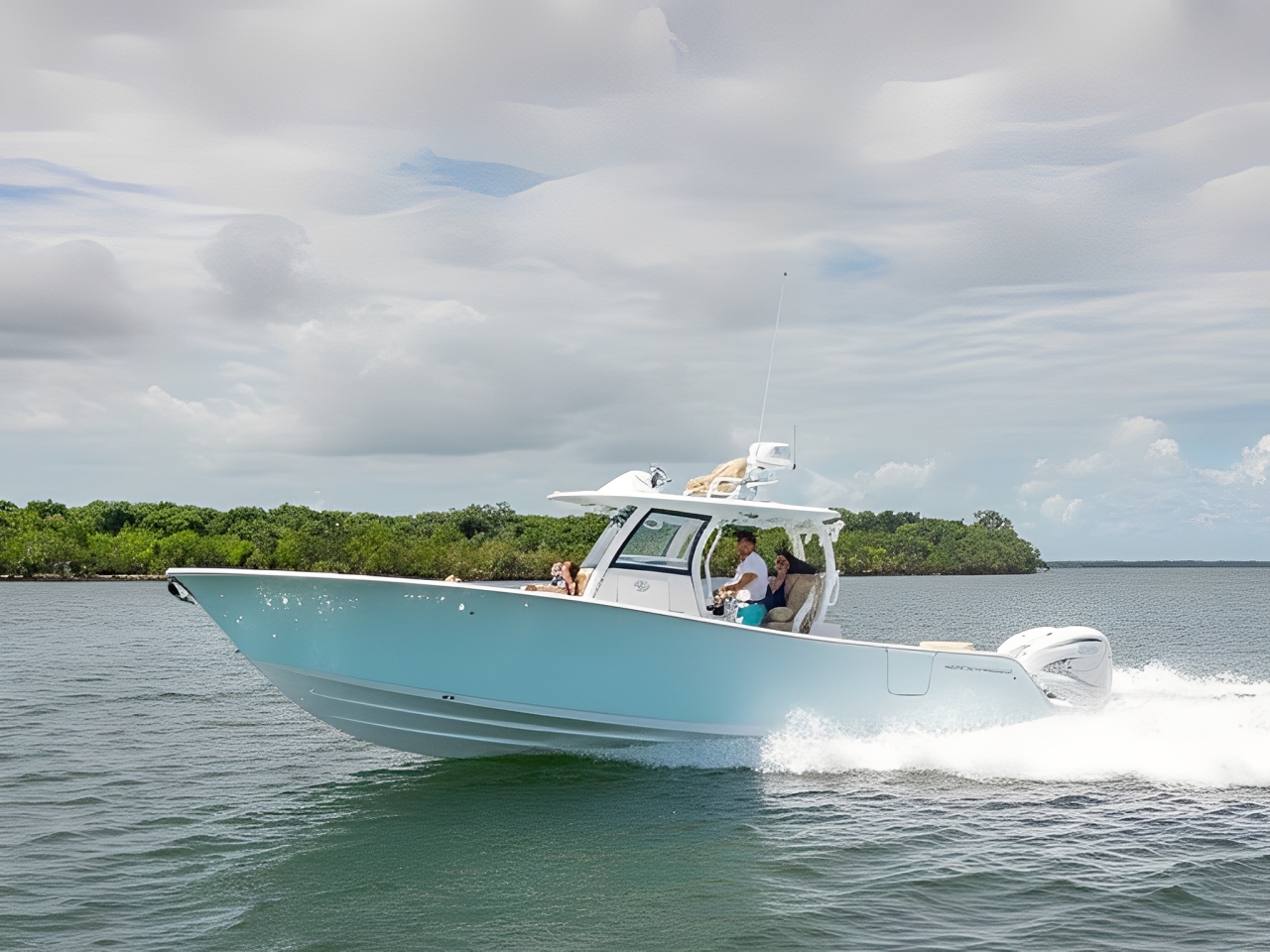
Center consoles with windshields offer solid protection on breezy winter days
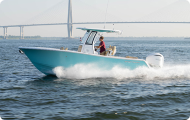
Bay boats navigate shallow winter flats and backwaters with ease
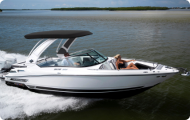
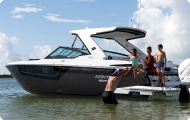
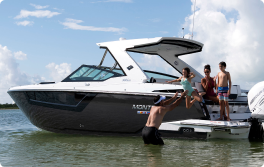
Bowriders work well during Tampa’s mild winters, especially with windshields and bimini tops for added comfort
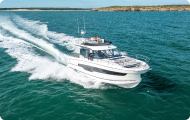
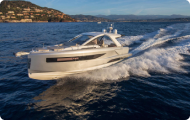
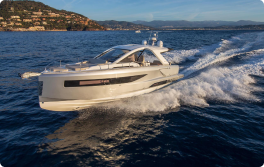
Cruisers provide enclosed cabins and warm, protected seating for cool mornings
If you’re boating year-round, our team can help you choose a model that keeps you comfortable in every season.
Stay Winter-Ready With Thunder Marine
Following these winter boating rules ensures safer, more enjoyable days on the water when the temperatures drop. Our team is always here to help with boat prep, maintenance, and recommendations for winter-ready models.
Call us today at (727) 381-4444 or visit Thunder Marine in St. Petersburg to explore our lineup of premium boats and schedule your next sea trial. It’s not just a boat—it’s a lifestyle!